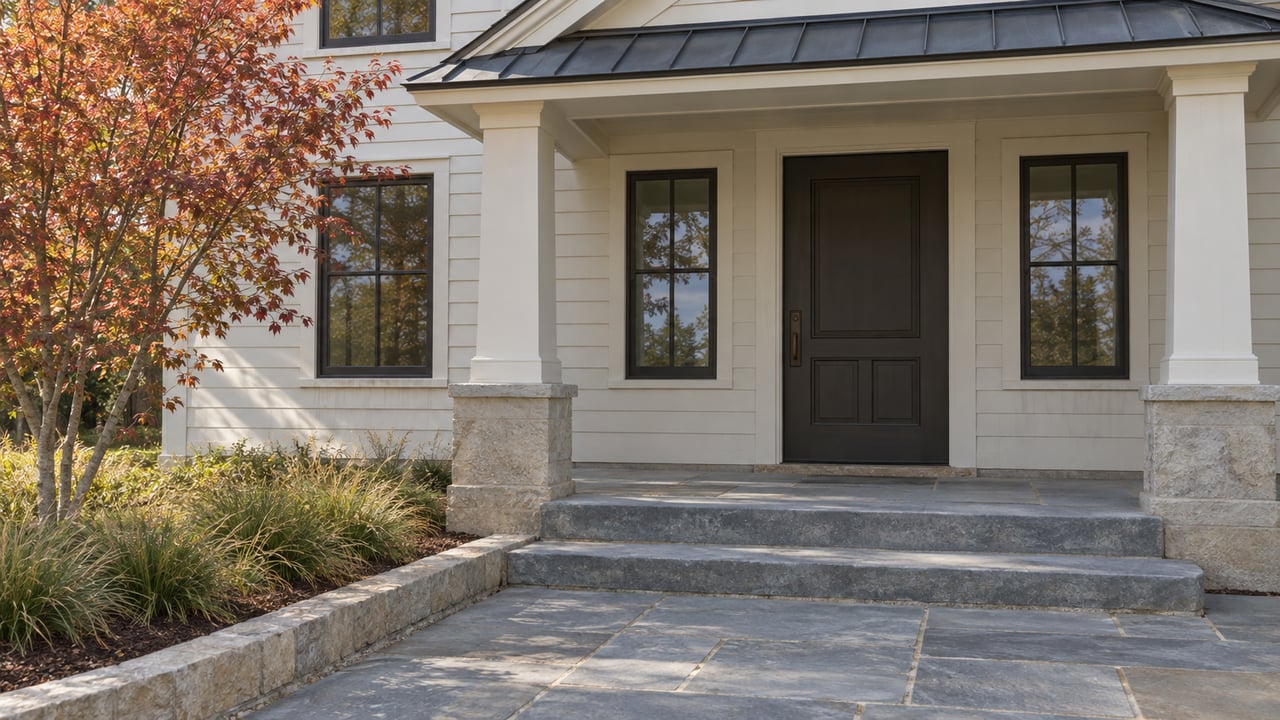
Certificate of Occupancy for a Union County NJ Home Sale
October 1, 2026
October 1, 2026
Curbelo Law explains that New Jersey has no statewide law requiring a certificate of occupancy before an existing home can be sold. That single fact creates a wide range of outcomes once you cross into Union County, where the exact same transaction can mean a fifteen-minute inspection in one town and a multi-week compliance review in the next. The variable isn't the home's condition or its price point. It's which municipal border the property happens to sit inside.
For a seller preparing to list, that distinction matters more than almost anything else on the closing checklist, because it determines how many weeks of lead time to build in before the deal can actually close.
According to Avvo, regardless of which Union County town holds the deed, every seller in the state has to produce a Certificate of Smoke Detector, Carbon Monoxide Alarm, and Portable Fire Extinguisher Compliance before closing. It's issued by the local fire official, not the building department, and it has to be in hand at the closing table no matter what else a given municipality requires. Sellers who have been through a New Jersey closing before generally recognize this certificate on sight, even if they know it by a different nickname locally.
That's the floor. What gets built on top of it is where the county stops behaving like a single market.
Summit requires a full Certificate of Occupancy before a one- or two-family home can be sold, transferred, or newly occupied. That's a building department inspection, not just a fire safety check, and it's the kind of requirement that can surface repair items a seller didn't know existed until an inspector is standing in the basement.
Plainfield takes a similar approach through a different name. City code (Chapter 6, Article 5) bars the sale, transfer, or lease of any dwelling unit until a Certificate of Compliance is issued by the Division of Inspections. The list of violations that can hold up that certificate goes beyond fire safety: illegal occupancy, over-occupancy relative to the property's recorded configuration, exterior maintenance issues, non-functioning utilities, and visible electrical hazards can all delay approval.
Elizabeth runs the most detailed version of this process in the county. According to Pedro Oliveira's account, before the city's Bureau of Zoning will issue a resale certificate, the property has to clear a broader review that includes closing out any open construction permits, current exterminator records, payment of vacant or foreclosure registration fees where applicable, and a lead-safe certification for properties that require one. For a two-family or triplex with a long ownership history, that list is exactly the kind of thing that turns a routine sale into a scramble if it isn't started early.
Cross into Westfield and the calculus changes completely for a single-family sale. The town's Building Department confirms directly that Westfield does not require a Certificate of Occupancy or Continued Certificate of Occupancy to sell a home. The only requirement is the statewide smoke detector and carbon monoxide alarm inspection that every New Jersey seller already has to complete.
Cranford works the same way. The township's Building Department FAQ states plainly that Cranford does not require a Certificate of Occupancy for the resale of a property, directing sellers instead to the Fire Prevention Bureau for the Continuing Certificate of Occupancy and Smoke Detector Certification, which is the statewide requirement under a locally used name.
Union Township's own permit forms page tells sellers the same thing in fewer words: if you're selling your home, a CCO is not required.
What makes this pattern worth noticing is that it doesn't track with the things a seller might assume would predict it. Westfield and Summit are both higher-value, single-family-dominant towns a few miles apart, and they land on opposite ends of the requirement. Plainfield and Elizabeth are both denser, older housing stock, and they run their inspections through entirely different departments and different lists of what gets checked. There's no shortcut version of "urban towns require more" or "the pricier the town, the stricter the process." Each municipality wrote its own ordinance on its own timeline, and the map that resulted doesn't sort itself by any variable a seller would think to check first.
Here's the detail that catches people off guard even in towns that otherwise skip the full inspection. Westfield's exemption for home sales applies to single-family properties. Chapter 12B of the town code separately requires a certificate of continued occupancy before any multifamily dwelling can be sold to a purchaser, with its own inspection standard covering fire safety, ventilation, sanitary conditions, and general habitability.
That means an owner selling a two-family in a town where a neighbor down the block just sold a single-family with no inspection at all can still be looking at a full multifamily review. The property type, not just the zip code, decides which rule applies.
Elizabeth's ordinance includes a mechanism that's worth understanding even outside city limits, because it illustrates a pattern that shows up in several Union County towns once something gets flagged during inspection. If the city's review turns up a violation that doesn't threaten health or safety and the structure remains sound, the Bureau of Zoning can issue a temporary certificate of occupancy for resale, good for up to 90 days. The buyer signs a sworn affidavit acknowledging the required repairs and agreeing to complete them within that window, and the sale proceeds on schedule with the fix happening afterward on the buyer's timeline rather than holding up the closing date.
That single provision changes how a seller and buyer can negotiate around a known issue. Instead of racing to close out every permit and finish every repair before the closing date, the work can move to the other side of the transaction, sometimes paired with an escrow holdback that sets aside funds specifically to complete it. Sellers dealing with an inspector's list in any Union County town should ask directly whether a temporary certificate or an escrow arrangement is available before assuming a flagged item means a delayed closing.
The practical takeaway is less about memorizing which category a specific town falls into and more about when to start asking. A seller who calls the local construction or code enforcement office the same week they decide to sell, rather than the week before closing, gives themselves room for a reinspection if something needs correcting. Inspectors in towns that do require a full CO or Certificate of Compliance are often booked out a week or two on their own, and that's before accounting for whatever a first inspection flags.
The safest sequence in a Union County town with a full inspection requirement is to apply as soon as attorney review closes, well before the property goes under a hard closing date. In towns where the requirement is limited to the statewide smoke and carbon monoxide certificate, that step is faster, but it still shouldn't be the last item scheduled the week of closing.
Does every Union County town require the same paperwork to sell a home? No. New Jersey has no statewide resale certificate of occupancy law. The smoke detector, carbon monoxide alarm, and fire extinguisher certificate is required everywhere. Beyond that, whether a full inspection is required, and what department runs it, is set town by town.
What if my home is a two-family or three-family property? Property type can change the answer even in a town that otherwise exempts single-family sales. Westfield is a direct example: single-family sellers skip the CO/CCO requirement entirely, but any multifamily dwelling being sold still needs a certificate of continued occupancy under the town's own code.
What happens if an inspection flags a problem close to my closing date? It depends on the town, but Elizabeth's 90-day temporary certificate of occupancy for resale shows the kind of tool that can exist. A buyer can sign an affidavit agreeing to complete non-hazardous repairs after closing, letting the sale proceed on schedule. Ask your attorney and the local code office whether a similar mechanism, or an escrow holdback, applies before assuming a flagged item will delay the deal.
If you're preparing to list in Union County and want to know exactly which certificate your town requires, how long the inspection typically takes to schedule, and what to build into your timeline before the sign goes in the yard, that's the kind of local groundwork The Synergy Group NJ handles before a listing ever goes live. Your next move deserves a strategy that accounts for the paperwork your specific address requires, not the version that worked for someone three towns over.
This article is general information, not legal, tax or financial advice. Consult a qualified professional about your situation.
Stay up to date on the latest real estate trends.


We approach every move with strategy first. Let’s discuss yours and position you ahead of the market.
STATE New Jersey | New York | Florida | Pennsylvania