Essex County Commuter Towns: How to Choose Well
April 23, 2026
April 23, 2026
If you plan to commute to New York City, choosing the right Essex County town can shape your daily routine, your budget, and the kind of home you buy. You may be weighing train access, housing style, and price all at once, which can make the search feel more complicated than it needs to be. The good news is that Essex County gives you several strong options, from premium suburban communities to more budget-conscious, transit-connected cities. Here is how to narrow your shortlist and tour the market with a clear strategy.
For NYC commuters, Essex County is easiest to understand through its two main rail corridors: the Morris & Essex Line and the Montclair-Boonton Line. According to NJ Transit’s service update, regular schedules resumed on March 15, 2026, so current planning should rely on regular timetables rather than temporary cutover schedules.
The Morris & Essex Line serves key commuter stops including Short Hills, Maplewood, South Orange, Brick Church in East Orange, and Newark Broad Street. The Montclair-Boonton Line serves Glen Ridge, Bloomfield, Montclair, and Newark Broad Street. If you want more than one commuting path, Newark Broad Street and Newark Penn can add flexibility, with Newark Penn also offering PATH, Amtrak, and Newark Light Rail connections.
Not every commuter wants the same thing. Some buyers want the simplest possible train ride, while others are comfortable with a rail-plus-PATH routine or using a jitney to get to the station.
A smart first step is deciding which of these patterns fits your life best:
That distinction matters in Essex County. Towns like Maplewood and South Orange offer commuter jitney systems tied to their stations, while Newark can expand your transit choices beyond a single local stop.
One of the clearest ways to approach Essex County is by price tier. The countywide Zillow home value estimate was about $642,159 in February 2026, but commuter towns vary widely. Looking at tiers is usually more useful than focusing on one county average.
If your budget allows for the top of the market, Millburn and Short Hills stand out. Short Hills Station is on the Morris & Essex Line, and Zillow’s March 2026 data placed Millburn around $1.25 million and Short Hills around $2.31 million. For buyers prioritizing a premium address with strong rail access, this is the clearest high-budget option in Essex County.
South Orange, Maplewood, Montclair, and Glen Ridge all sit in a competitive upper-mid to premium range, depending on the specific home and location. Zillow’s March 2026 home values were about $1.05 million for South Orange, $945,000 for Maplewood, $1.14 million for Montclair, and $1.13 million for Glen Ridge.
These towns often attract buyers who want commuter convenience and distinctive older housing stock, but do not necessarily need the highest-priced segment of the market. They are also strong options if you want a more defined architectural identity in your search.
If your goal is to stay closer to a lower entry point while keeping train access in play, Bloomfield, East Orange, and Newark deserve attention. Zillow’s March 2026 values were about $597,000 for Bloomfield, $474,000 for East Orange, and $478,000 for Newark.
These towns offer a different housing environment than the village-style suburbs. In general, they are more urban and more mixed, but they can be practical choices for buyers who want commuter access without stretching into the county’s upper tiers.
Commute time matters, but so does how a place feels when you come home. Essex County’s commuter towns are not interchangeable, especially if you care about architecture and neighborhood character.
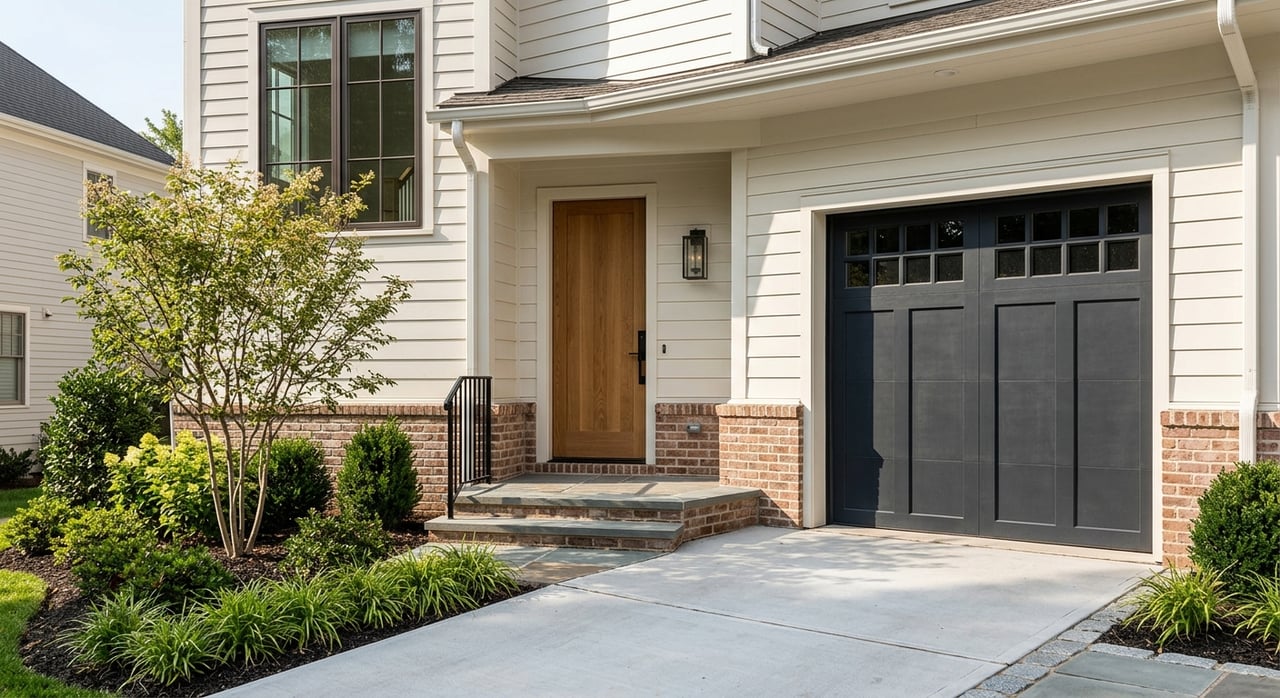
South Orange’s official history describes it as a residential community with Tudor, Colonial, and Victorian homes. Maplewood’s historic-preservation materials identify Tudor Revival, Colonial Revival, Arts and Crafts, and related early-20th-century styles. Both towns also offer commuter support tied to the station, which can be especially useful if you prefer a station-and-jitney routine.
You can explore South Orange Station details and Maplewood Station information to understand how each commute setup works.
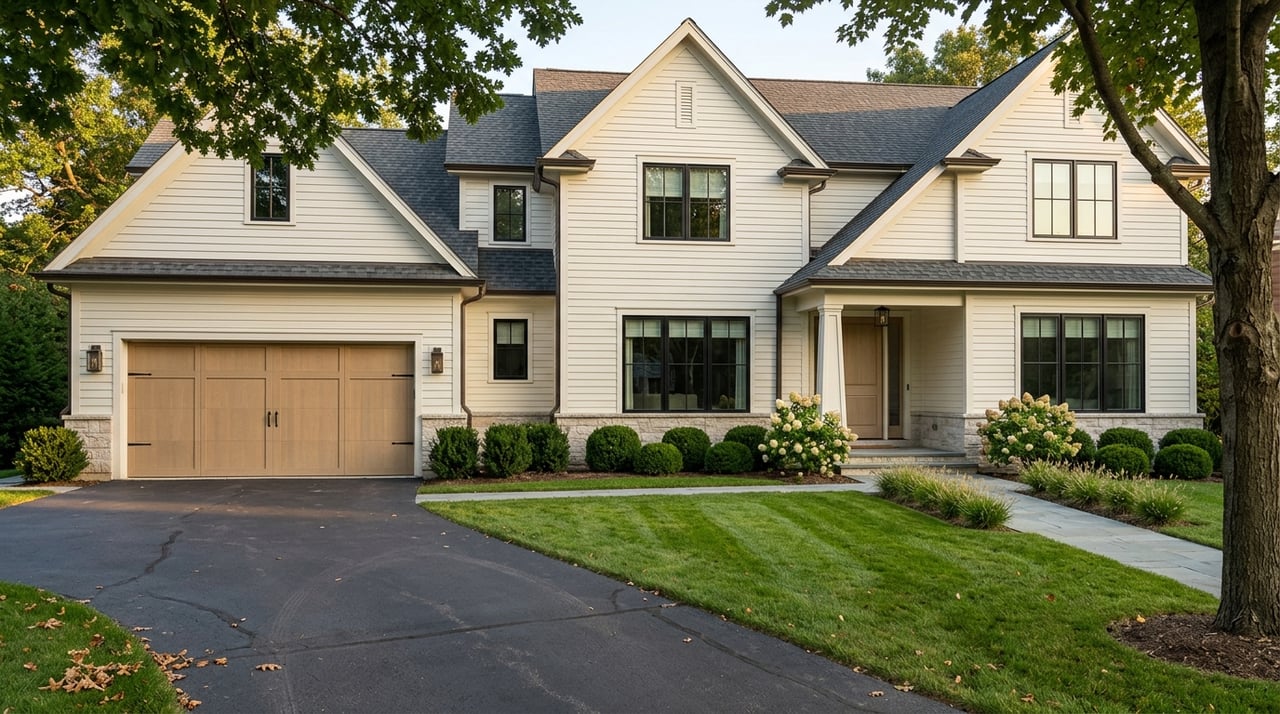
Montclair is one of the most varied commuter markets in Essex County. The township’s commuter-area survey describes early-20th-century neighborhoods built for rail riders, with Queen Anne, Craftsman, and Colonial Revival homes. Local design guidance also highlights Tudor Revival and Craftsman architecture.
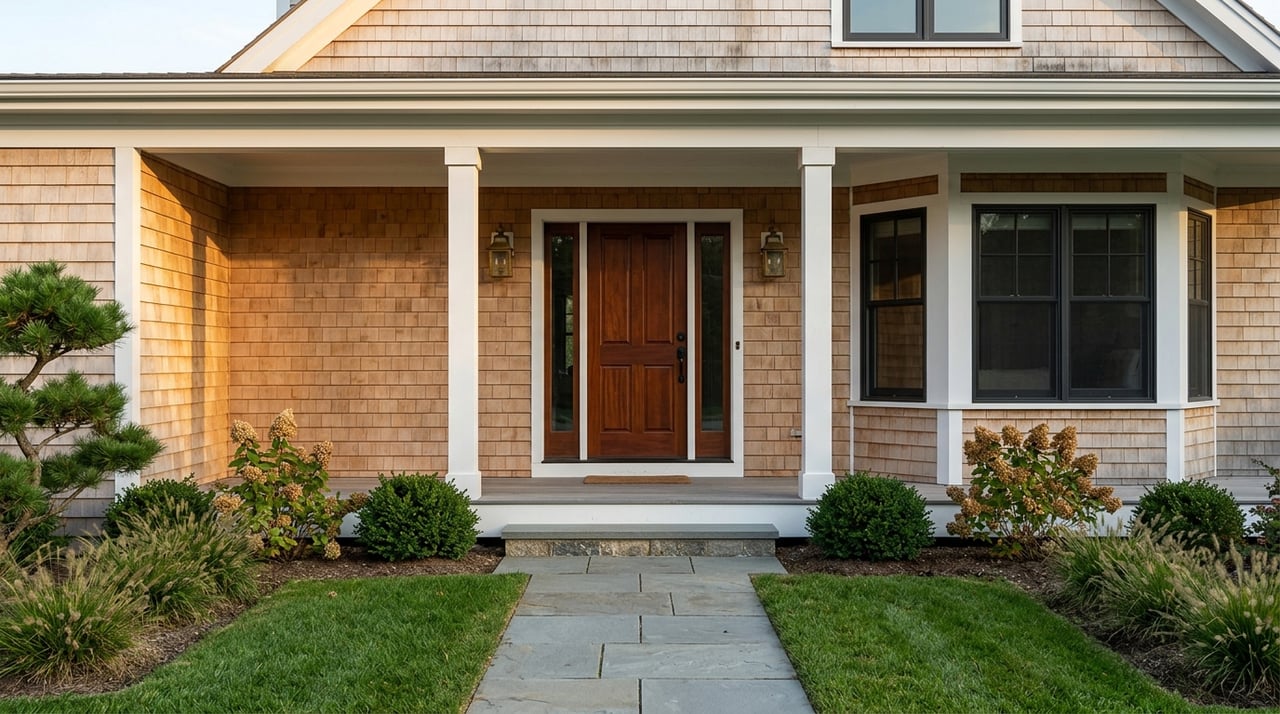
Glen Ridge has a more preservation-focused identity. Official materials emphasize a large historic district and a housing stock known for well-preserved older homes, including Queen Anne, Colonial Revival, Dutch Colonial Revival, Tudor Revival, Craftsman, and Shingle-style examples. If housing character is high on your list, both towns deserve a close look.
Some commuters benefit from being near more than one useful station. That is where Newark becomes especially important.
Newark Broad Street Station sits at a valuable crossroads in the county’s commuter network. Newark Penn adds another layer of flexibility because it also serves PATH, Amtrak, and Newark Light Rail, as noted by NJ Transit’s current commuter information.
If your work schedule changes often, or if you simply want backup options, this type of transit access can be a meaningful advantage. It may also influence how much weight you place on a single local station in a suburban town.
A common mistake is trying to find the single “best” town right away. A better approach is comparing towns that represent different tradeoffs in one day or over one weekend.
Based on the Essex County commuter map, a practical first-pass tour could include:
This kind of tour helps you compare the three issues that usually matter most:
Once you see those differences in person, your shortlist usually becomes much clearer.
The right Essex County town for an NYC commuter is not always the one with the shortest train ride or the biggest name recognition. It is the one that fits your actual routine, your financial comfort zone, and the kind of home you want to live in.
If you want a premium commuter address, Short Hills and Millburn may lead the list. If you want architectural character with strong rail access, South Orange, Maplewood, Montclair, and Glen Ridge offer compelling options. If you want to stay more budget-conscious while preserving transit access, Bloomfield, East Orange, and Newark should be part of the conversation.
The key is to compare them strategically, not emotionally. When you line up commute patterns, price tiers, and housing style side by side, the right move becomes much easier to spot.
If you are planning a move in Essex County and want a focused strategy for comparing commuter towns, Eliane Longhi can help you narrow your options and move with confidence.
Stay up to date on the latest real estate trends.
We approach every move with strategy first. Let’s discuss yours and position you ahead of the market.
STATE New Jersey | New York | Florida | Pennsylvania