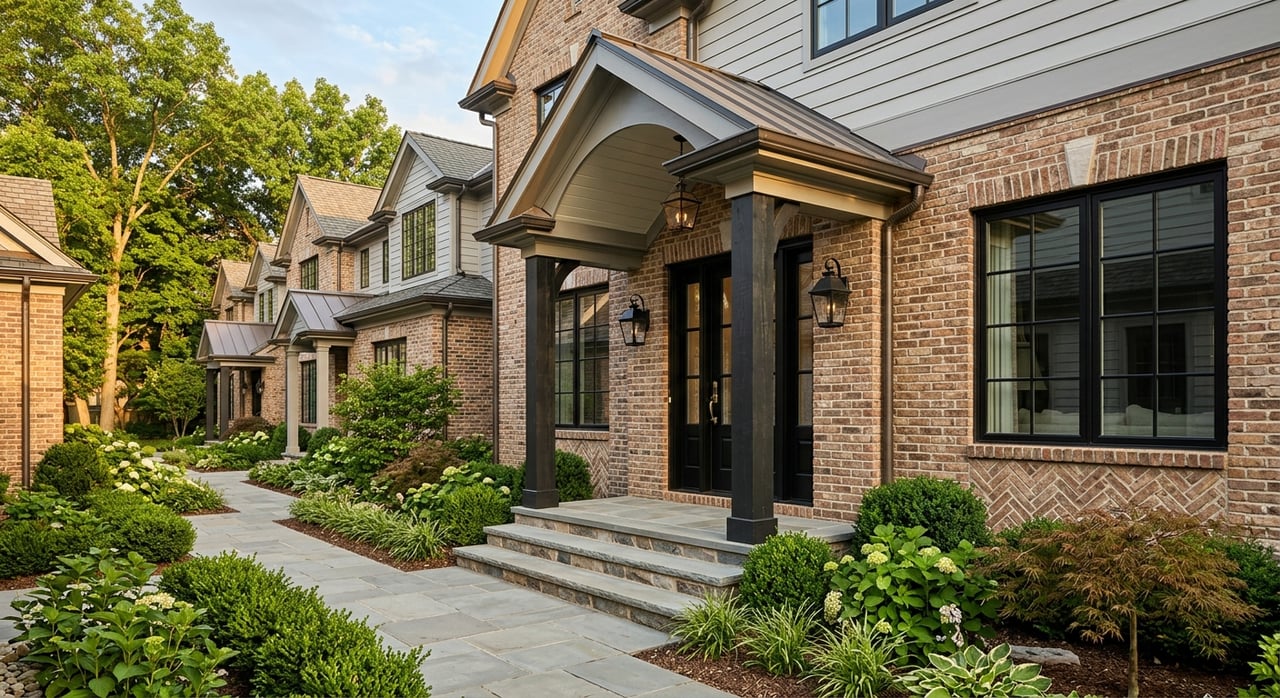
Your Bergen County Townhome and Condo Buying Guide
June 11, 2026
June 11, 2026
Thinking about buying a townhome or condo in Bergen County? It can be a smart move, especially if you want lower-maintenance living with strong access to New York City and the rest of North Jersey. But attached-home buying comes with a few extra layers, from association rules to monthly fees and insurance details. This guide will help you understand what to look for, what to ask, and how to make a more confident decision. Let’s dive in.
Bergen County offers something many buyers want: convenience. According to Bergen County, the area sits in the heart of the New York metropolitan region and offers three passenger rail lines, about 30 train stations, 51 NJ Transit bus routes, and the Edgewater Ferry Landing.
That access makes condos and townhomes especially appealing if you want an easier commute, less exterior upkeep, or a home that supports a busy lifestyle. It can also be a practical option if you are downsizing and want to stay close to work, services, or regional transportation.
The local housing market also moves at a fairly brisk pace. In March 2026, Bergen County home prices were reported at about $758,000 to $759,000, with homes selling in around 25 days and at about 101% of list price. In a market like that, it helps to look beyond the list price and understand the full cost and long-term value of the property.
One of the biggest surprises for buyers is that a townhome and a condo are not always different in the way people expect. In New Jersey, “townhome” is often an architectural description, not necessarily a legal form of ownership.
According to the New Jersey Department of Community Affairs, a fee simple townhouse means each unit is individually owned and is not in condominium or cooperative form. That matters because the ownership structure affects maintenance responsibilities, association obligations, and how you should compare one property to another.
Two homes may look very similar from the outside, but function very differently on paper. In one community, you may own the structure and lot directly. In another, you may own the interior space while the association handles more of the exterior and common elements.
The Department of Community Affairs notes that common areas may include the pool, parking lot, lawn, hallways, basement, siding, windows, doors, or roof, depending on the governing documents. That is why you should never judge the ownership setup by appearance alone.
Before you compare monthly costs or maintenance expectations, ask for clarity on the legal setup. A simple label in the listing may not tell the whole story.
Key questions include:
When you buy a condo or townhome, the true monthly cost is usually more than the mortgage payment. You need to review the full carrying cost so you know what the home will actually cost you month to month.
The Consumer Financial Protection Bureau says your total monthly housing cost should include principal, interest, property taxes, homeowners insurance, flood insurance when required, and HOA or condo fees. Those association dues are typically paid separately from the mortgage and can vary widely.
Association dues are not a side note. They are part of the ownership picture and can have a real impact on your budget and future resale.
The CFPB also notes that unpaid dues can lead to collection efforts and even foreclosure. That makes it important to choose a home where the monthly cost feels sustainable, not just technically affordable on paper.
A lower monthly fee is not always the better deal. If one community charges less but leaves owners responsible for more repairs or services, your real costs may be higher over time.
Ask for a clear breakdown of what the dues cover, such as exterior maintenance, shared amenities, insurance for common areas, landscaping, or parking-related costs. Then confirm what you will still pay separately.
A well-run association can help protect both your day-to-day ownership experience and your long-term value. A poorly funded one can lead to deferred maintenance, surprise costs, or financing complications.
This is why association financials matter so much when buying in a condo or townhome community. You are not just buying the unit. You are also buying into the management and maintenance structure behind it.
HUD condo review guidance points to several useful financial signals, including a current budget, balance sheet, income and expense statement, and a reserve study that supports the property’s structural condition and reserve funding. While many buyers will not analyze these documents line by line, they can still use them to ask smarter questions.
In practical terms, you want to know whether the association appears to be planning ahead. Healthy reserves and current maintenance planning may reduce the chance of sudden large expenses.
Special assessments are one of the biggest issues to ask about before making an offer. The CFPB treats these assessments as real obligations tied to condo, co-op, or HOA ownership.
Even if the purchase price looks attractive, the numbers can change quickly if the association is underfunded or major repairs are coming. Ask whether any assessments are pending, approved, or being discussed.
Insurance is another area where attached-home buyers need to be careful. Condo and townhome purchases often involve shared insurance responsibilities between the association and the individual owner.
The CFPB notes that association fees for condos and co-ops often include master insurance for common areas, but the unit owner still needs separate coverage for the unit itself. You should ask exactly what the master policy covers and what you need to insure on your own.
Flood insurance can also affect your monthly cost. The CFPB says homes in FEMA-designated Special Flood Hazard Areas generally require flood insurance if they are financed with a mortgage.
Before you make an offer, verify whether the property is in a flood zone and what the insurance cost may be. That step can help you avoid budget surprises later.
Financing a condo is not always identical to financing a detached single-family home. The CFPB says lenders can sometimes charge slightly more for loans used to buy a condo.
That does not mean condos are difficult to finance, but it does mean comparison shopping matters. When you request Loan Estimates, share property tax and HOA information so the estimates reflect the true monthly picture as closely as possible.
If you are deciding between several attached-home options, do not focus only on the purchase price or mortgage rate. Fees, reserves, insurance obligations, and possible special assessments can all change the real cost of ownership.
Comparing multiple Loan Estimates can help you see how those factors affect affordability. It is a smart step, especially in a market where attached homes can move quickly.
Every association has its own governing documents, and those rules can shape both how you live in the property and how easy it may be to sell later. This is one of the most important parts of due diligence.
For condos and other common-interest communities, New Jersey’s Planned Real Estate Development program requires a developer to register an offering plan with the Department of Community Affairs before selling units. That reinforces how central the association documents are to understanding ownership, maintenance, and use restrictions.
Before you move forward, review the practical rules that could affect your plans. These are often the details buyers wish they had checked earlier.
Ask about:
Even if you plan to stay for years, resale should be part of your buying strategy. Bergen County’s location, transit access, and market pace support demand for attached homes, especially among commuters, busy professionals, and downsizers.
That is why the most marketable properties often combine convenience with manageable carrying costs and solid association health. If you ignore fees, rules, or maintenance planning now, you may narrow your future buyer pool later.
While no resale outcome is guaranteed, some factors tend to matter more in Bergen County attached-home purchases. Focus on the features that support both daily ease and future marketability.
Look closely at:
If you are comparing condos and townhomes, having a checklist can keep your search focused. It also helps you make clean comparisons between properties that may look similar online but operate very differently in practice.
Use this as a starting point during your search:
Buying a townhome or condo in Bergen County can be a smart move when you approach it with the right strategy. The goal is not just to find a beautiful home. It is to find a property, ownership structure, and monthly cost profile that support your life now and your flexibility later.
If you want guidance that goes beyond the listing details, Eliane Longhi can help you evaluate Bergen County attached-home options with a clear, strategic approach.
Stay up to date on the latest real estate trends.




We approach every move with strategy first. Let’s discuss yours and position you ahead of the market.
STATE New Jersey | New York | Florida | Pennsylvania